
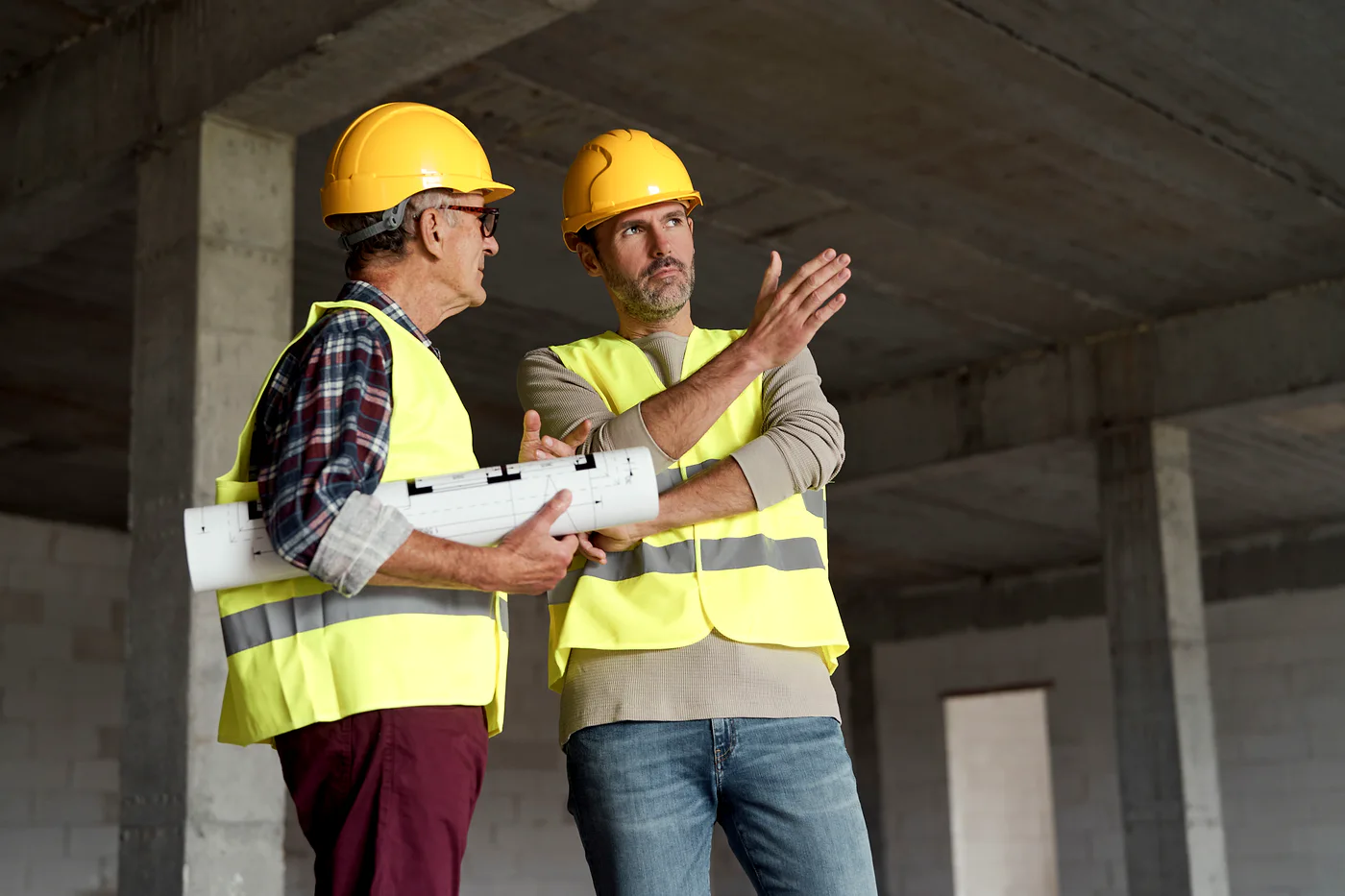
Questions to Ask a Builder Before Starting a Home Extension
Choosing the right builder is one of the most important decisions in a home extension project. A good design can still become stressful if the quotation is unclear, responsibilities are not agreed or communication breaks down once work starts.
For homeowners in Bridgend and across South Wales, comparing builders should therefore involve more than asking for a price. The aim is to understand who will be responsible for the project, what is included, how changes will be handled and how the work will be managed from the first day on site through to completion.
The following questions can help you compare builders more confidently before committing to an extension.
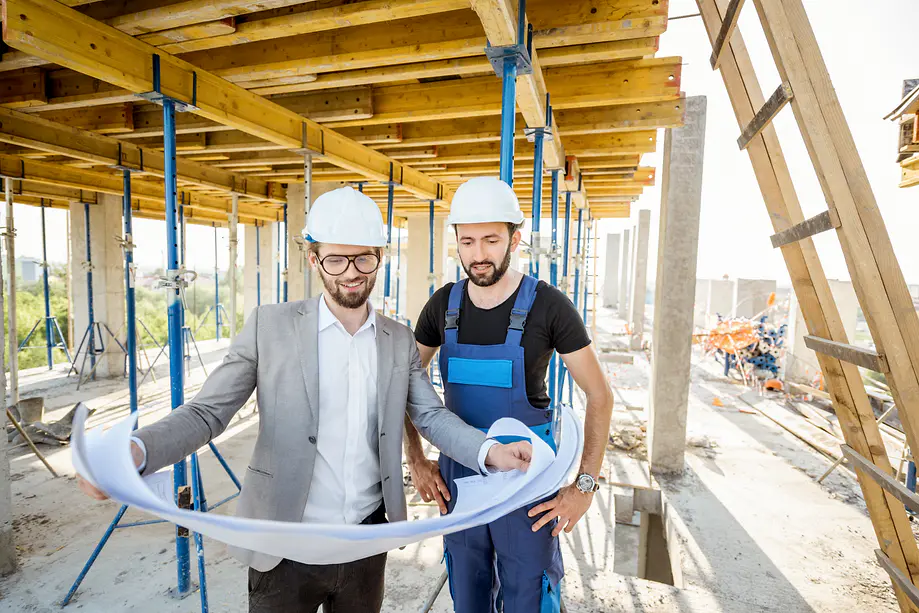
1. Have You Completed Similar Home Extensions Before?
Ask for examples of projects that are genuinely comparable with what you are planning. A contractor may have extensive general building experience, but a rear kitchen extension, double-storey addition or structurally complex open-plan project can involve very different challenges.
Useful examples are not only about appearance. Ask what the project involved, whether major structural openings were required, how access was managed and what parts of the build were particularly complicated.
A builder who has completed similar work should be able to explain the process clearly rather than relying only on photographs.
2. Can I See Recent Work or Speak to Previous Customers?
Photographs and case studies are useful, but recent customer feedback can provide additional reassurance about communication, reliability and how problems were handled during a live project.
Where appropriate, ask whether there are recent projects you can view or customers who have agreed to provide a reference. You are looking for evidence of consistent delivery, not a single perfect example from several years ago.
Citizens Advice Wales recommends checking references and, where possible, looking at two or three recent examples of similar work before choosing a trader.
3. Who Will Manage the Project Day to Day?
It is important to know who your main point of contact will be once construction begins. The person who prepares the quotation or attends the initial meeting may not be the person managing the site every day.
Ask who will coordinate trades, order materials, arrange inspections, answer questions and make decisions when something unexpected is uncovered.
Clear responsibility is particularly important on an extension because builders, electricians, plumbers, roofers, structural engineers and other specialists may all need to work in a coordinated sequence.
4. What Exactly Is Included in the Quotation?
A headline price is not enough. The quotation should make it clear what work, materials and finishes are included so you can compare different builders on a like-for-like basis.
Citizens Advice recommends getting a quotation in writing and checking that it sets out the work to be completed, materials, costs, how long the price remains valid and the circumstances in which the price can change.
For an extension, ask specifically about items such as groundworks, drainage, structural steelwork, roofing, windows and doors, plastering, electrics, plumbing, heating, decoration, flooring, waste removal and making good to the existing house.
Also ask whether VAT is included and whether there are any obvious exclusions that you will need to budget for separately.
5. What Is Not Included?
Exclusions can be just as important as inclusions. Two quotations can look similar in price while covering very different scopes of work.
For example, one builder may include structural steel installation, skips and final decoration while another expects the homeowner to arrange or pay for those separately.
Ask the builder to identify exclusions clearly before you make a decision. This reduces the risk of discovering additional costs after the project has started.
6. How Will Changes and Extra Work Be Agreed?
Even with a detailed design, changes can happen during an extension. A homeowner may request an upgrade, or opening up the existing building may reveal work that could not reasonably have been identified beforehand.
Ask how variations are priced and approved. A sensible process is for additional work to be explained and costed before it proceeds wherever possible, with a written record of the change.
This protects both parties and makes it easier to keep track of the overall budget.
7. What Insurance Do You Hold?
Before accepting a quotation, ask what insurance the builder carries and whether it is appropriate for the work being undertaken. Citizens Advice specifically recommends checking that a trader has the correct insurance in place.
Do not feel uncomfortable asking for evidence. Professional contractors should be used to homeowners asking about insurance, responsibilities and documentation before a substantial project begins.
8. Who Is Responsible for Planning Permission, Building Regulations and Structural Design?
Do not assume that every approval is automatically included in the builder’s service. Establish who is responsible for architectural drawings, planning applications, structural calculations, Building Regulations submissions and arranging Building Control inspections.
In Wales, some house extensions can be permitted development when they meet the relevant limits and conditions, but most extensions require Building Regulations approval. Planning and Building Regulations are separate systems.
Our guide to planning permission for house extensions in Bridgend explains the planning side in more detail, while our guide to Building Regulations for house extensions in Bridgend and South Wales covers the wider technical requirements.
If the builder is coordinating these elements, ask exactly what that coordination includes. If you need to appoint an architect, designer or structural engineer separately, it is better to know before construction is scheduled.
9. How Are the New Welsh Building Regulation Duties Being Managed?
From 1 July 2026, updated Building Regulations duties and competence requirements apply in Wales to clients, designers and contractors. For domestic projects, homeowners have responsibilities around appointing suitable designers and contractors, while the people controlling the design and building work can take on principal designer and principal contractor roles.
You do not need to become a Building Regulations expert, but it is reasonable to ask your builder who is responsible for managing compliance during the construction phase and how they coordinate with the designer and Building Control.
A contractor should be able to explain the responsibilities that apply to the project in straightforward terms. The Welsh Government guidance on design and building work explains these duties in more detail.
10. What Is a Realistic Start Date and Build Programme?
Ask when the builder can realistically start and how long the main construction phase is expected to take. Be cautious of a programme that sounds unusually quick without a clear explanation of how it will be achieved.
The timetable can be affected by planning, Building Regulations, structural design, product lead times, weather, ground conditions and changes requested during the project.
Rather than expecting an exact completion day months in advance, ask for a sensible programme, key stages and an explanation of what could alter it.
11. How Will My Home Be Protected During the Work?
An extension often takes place while the homeowner is still living in the property. Ask how the existing house will be separated from the work area and how dust, security, weather protection and temporary access will be managed.
It is also worth discussing site storage, skips, deliveries, parking and how the team will keep access safe around the property.
These practical details may seem minor during the quotation stage, but they can have a major effect on daily life once construction starts.
12. Who Orders Materials and What Happens if Something Changes?
Clarify who is responsible for ordering major items such as windows, doors, roof products, kitchens and sanitaryware, particularly where lead times could affect the programme.
Ask what happens if a specified material becomes unavailable or the manufacturer changes a product. Substitutions should be discussed rather than made without the homeowner understanding what is changing and why.
13. How Will Payments Be Structured?
Ask for the payment schedule before work starts and make sure it matches clearly defined stages of the project.
For a substantial extension, staged payments are easier to understand when they are linked to progress rather than vague dates. You should also know how deposits, specialist orders, variations and the final balance will be handled.
The important point is that the payment process should be clear in writing before construction begins.
14. How Will We Communicate During the Build?
Good communication can prevent small issues becoming major frustrations. Ask how often progress will be discussed and who you should contact if you have a question or need to make a decision.
Some homeowners prefer scheduled site meetings, while others are comfortable with calls, emails or messages as work progresses. The exact method matters less than having an agreed process and a clear point of contact.
15. What Happens at Completion?
Ask what the handover process includes. A professional completion should involve more than the workforce simply leaving site when the last visible item is finished.
Discuss how snagging will be handled, what certificates or Building Control documentation should be provided, whether product warranties need to be transferred and how any final outstanding items will be recorded.
Knowing the completion process at the beginning makes the final stage much clearer for everyone.
Should You Choose the Cheapest Builder?
Price is obviously important, but the lowest quotation is not automatically the best value. A cheaper quote may simply contain fewer items, lower allowances or exclusions that another contractor has included.
Citizens Advice advises caution where a price is much lower than other quotations, because the contractors may not be quoting for the same work or may not have the same level of experience.
Compare the scope, specification, management approach, programme and communication as well as the total price. Asking each builder the same questions makes that comparison much more useful.
Warning Signs to Look Out For
No single point automatically proves that a contractor is unsuitable, but homeowners should be cautious where a builder is unwilling to provide a written quotation, cannot explain what is included, avoids questions about insurance or responsibilities, or pressures you to make a quick decision.
You should also understand how payments, changes and approvals will work before substantial construction begins. If important arrangements only exist as informal conversations, misunderstandings become much easier.
Questions to Ask Builders in Bridgend and South Wales
For a local extension project, it is also worth asking about experience with properties and sites similar to yours. Access, drainage, neighbouring properties and the existing structure can all influence how the job is planned.
A builder familiar with home extensions in Bridgend and South Wales should be able to discuss the practical construction process, local Building Control arrangements and how the work will be coordinated with designers and other specialists.
If you are considering a larger project, such as a two-storey addition, ask specifically about experience with structural work, first-floor integration, roofing and the additional Building Regulations considerations involved. You can also read our guide to double storey extensions in Bridgend.
Make the First Meeting Useful
You do not need to interrogate a builder with a checklist of dozens of questions in one sitting. The purpose is to establish whether they can explain the project clearly and whether you understand what you are agreeing to.
Before the meeting, write down the most important outcomes you want from the extension and gather any drawings, planning information or inspiration you already have. That gives the builder a clearer starting point and makes the quotation more meaningful.
A good conversation should leave you with a better understanding of the project, not more uncertainty.
Planning a Home Extension in Bridgend?
Pearce Elite Construction is based in Bridgend and delivers home extensions and wider building projects across South Wales. Our team manages projects with a focus on clear communication, quality workmanship and compliance from the early planning stages through to completion.
If you are looking for experienced builders in Bridgend or planning a project elsewhere with builders in South Wales, we can discuss what you want to achieve, the practical requirements of the property and the next steps involved in moving the project forward.
Contact Pearce Elite Construction to arrange a free, no-obligation quotation for your proposed home extension.